Willa Klein · 5 October 2026
Investigating Tidal Influences on Seed Dispersal Mechanisms Across Coastal Hybrid Plant Variants
Coastal hybrid plant variants emerge where ocean tides meet terrestrial ecosystems and create zones where salt-tolerant species cross with inland relatives, and these hybrids often display seed traits shaped directly by recurring tidal cycles. Researchers track how water movement, salinity shifts, and sediment deposition alter dispersal distances and timing across sites from temperate estuaries to subtropical shorelines.
Understanding Hybrid Formation in Intertidal Zones
Hybrid plants arise when pollen travels between closely related species that occupy overlapping habitats near mean high water lines, and genetic analyses reveal that tidal inundation frequency influences which parent traits persist in offspring populations. Data collected from multiple regions shows that hybrids frequently inherit enhanced buoyancy from one parent while retaining attachment structures from the other, allowing seeds to float longer during spring high tides yet anchor quickly when water recedes.
Studies conducted along Australian and North American coasts indicate that salinity gradients created by tidal mixing select for seeds with thicker pericarp layers that resist osmotic stress during prolonged submersion. Field teams record peak dispersal events coinciding with neap tides when reduced current speeds permit seeds to settle in newly exposed mudflats before the next flood cycle.
Mechanisms of Tidal Seed Transport
Water acts as the primary vector for many coastal hybrids, and seeds released during outgoing tides travel farther than those released at slack water because stronger ebb currents carry them beyond the immediate parent stand. Observers note that certain hybrids time fruit dehiscence to coincide with lunar cycles, releasing seeds when tidal amplitude reaches maximum values and thereby increasing the probability of long-distance movement across bays and inlets.
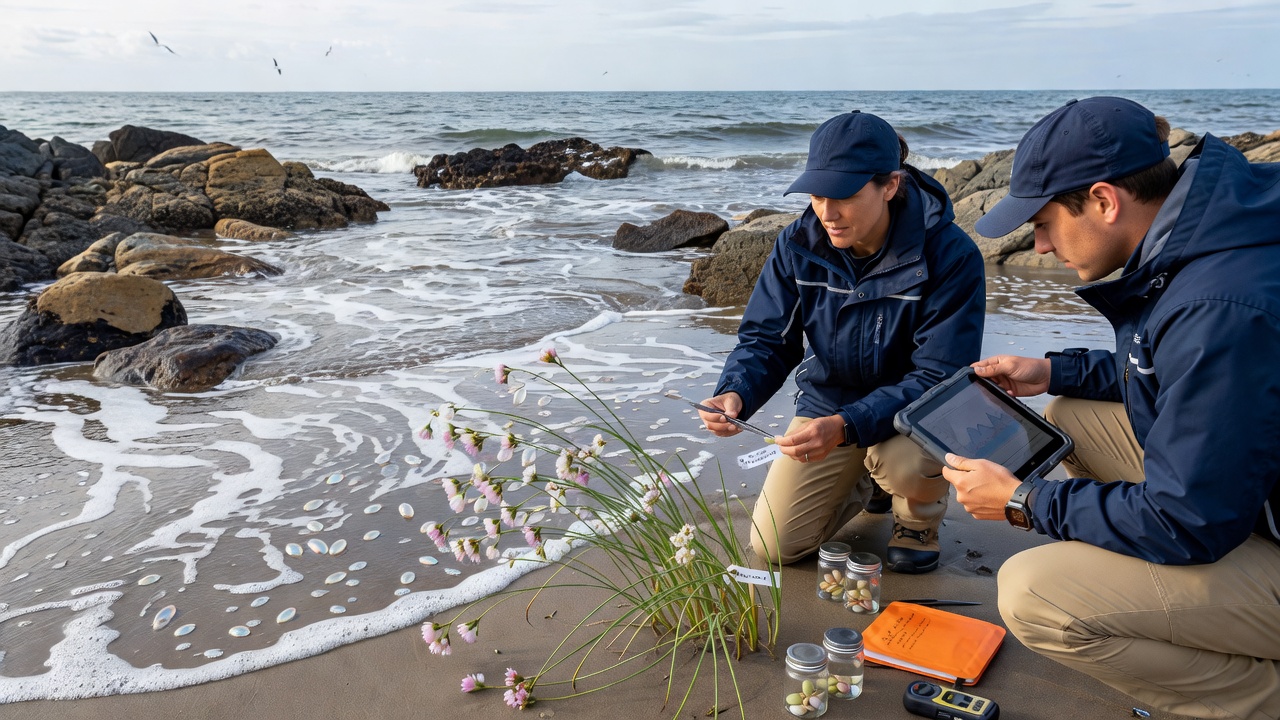
Buoyancy experiments demonstrate that hybrid seeds maintain flotation for periods ranging from several hours to multiple days depending on lipid content inherited from parental lines, while sediment particles that adhere during low tide phases add weight and cause earlier deposition in sheltered coves. Researchers measure these patterns using marked seed cohorts released at known tidal stages and recovered at set distances down-current.
Research Approaches and Data Collection
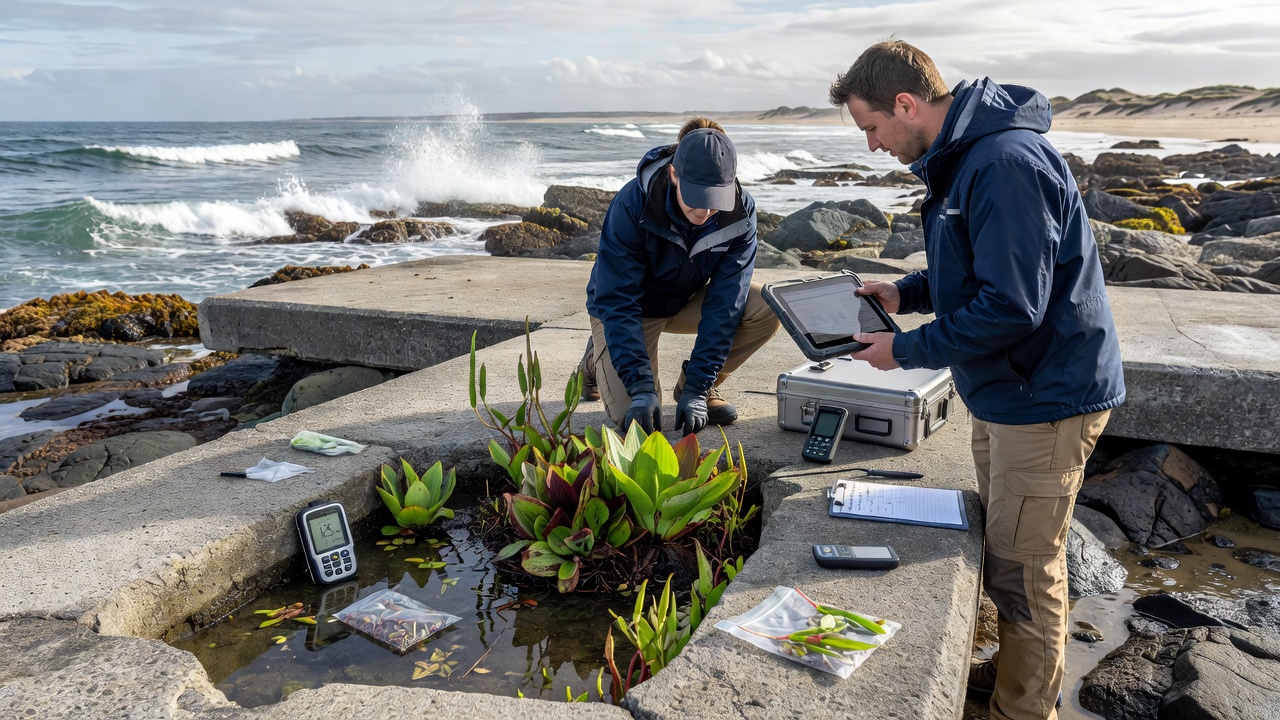
Teams employ a combination of remote sensing, genetic barcoding, and direct tagging to quantify dispersal kernels under varying tidal regimes, and models incorporate wave height records alongside salinity measurements taken at 15-minute intervals throughout complete tidal cycles. Work scheduled through October 2026 will expand sampling grids to include hybrid zones recently formed after storm-driven sediment redistribution.
Genetic tracking reveals that seeds dispersed by tides often establish new hybrid patches several kilometers from source populations, and these founder events accelerate trait mixing between previously isolated lineages. Equipment deployed on floating platforms records seed trajectories in real time while acoustic sensors map current velocities at multiple depths where seeds travel.
Regional Patterns and Environmental Variables
Along the Pacific coast of Canada, hybrid variants show stronger reliance on tidal rafting during winter when storms coincide with king tides, whereas Mediterranean-climate estuaries experience peak dispersal during autumn equinox periods when tidal ranges increase and rainfall freshens surface waters. Temperature records paired with dispersal data indicate that warmer sea surface conditions extend flotation times by reducing water density and viscosity.
Sediment cores taken from accretion zones contain hybrid seed remains dated to periods of elevated tidal energy, confirming that historical changes in sea level altered dispersal success and shaped current distribution patterns. Monitoring stations maintained by the Australian Institute of Marine Science supply continuous tidal and current data that researchers integrate into predictive models for future hybrid spread.
Conclusion
Continued investigation of tidal influences on coastal hybrid seed dispersal provides measurable insights into plant movement patterns across dynamic shorelines, and integration of long-term monitoring with targeted genetic studies clarifies how these mechanisms maintain or expand hybrid populations. Ongoing work through 2026 and beyond will refine understanding of how shifting tidal regimes interact with hybrid traits under changing coastal conditions.